 Dream Journal Ultimate
Date: 3/1/2026
By wahblamy
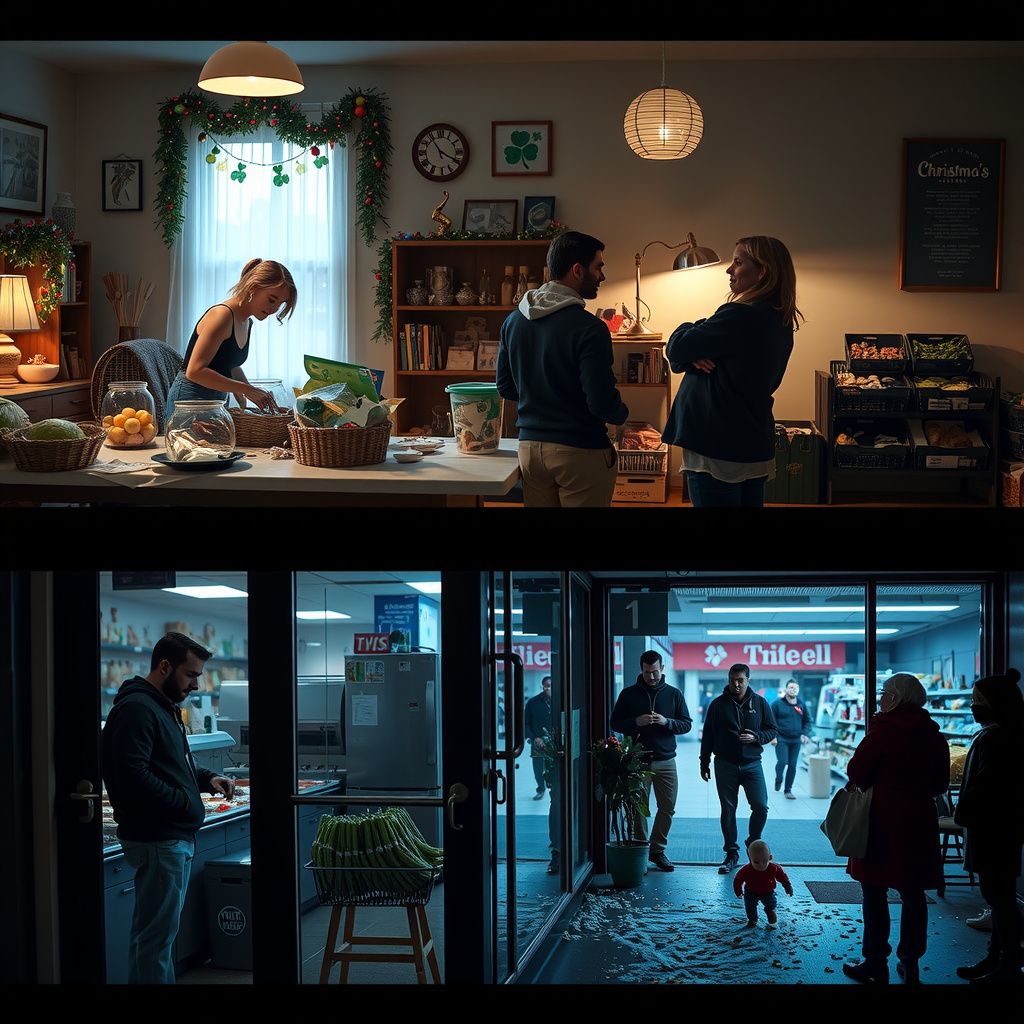
I think this dream was a culmination or solution to the dreams I've recorded the last 4-5 times. I'm in my apartment - one I don't recognize irl - and my friend Lauren comes over. I leave to go to work and when I come back she is decorating the apartment with shamrocks and colourful plastic decorations and tinsel from the dollar store. I look around and I'm like ohhhhhhh beautifullllll....but really I don't love that she has gone through all this trouble and is decorating my home in plastic single use garbage. Instead of freaking out like in past dreams, I am silently annoyed but also totally ok with everything, I release my need for control. Now it is her and like 3 of her friends decorating and they are having a blast. All of a sudden my work event - some kind of gala - is freaking out because they have run out of prizes for their contests. Lauren and her friends gather together and put together gift baskets with items from Dollarama. There are women's two piece pajamas, socks, candy and other stuff and they put it together and basically save the day! (In waking life I recognize this as letting bad things happen because you do not yet see it's benefit!) Later on in the dream we are hanging out in the house and two of Lauren's guy friends are quite handsome and flirting with me. It feels comfortable and we even lean on each other physically at one point. The next scene is totally different and separate. I am in a grocery store looking for something and then I notice a small child crawling around. The grocery store is kind of packed and stuffy and has really low lighting, almost dark inside. Outside it is night time and snowing. The baby crawls really fast- or walks, I'm not sure- and goes out the door and into the snow. I go out after it and through the parking lot but I've lost sight of the child. Two men are walking towards the store and I ask them if they've seen the child. They start making fun of me and the second man actually begins to throw a punch at my face. I wake up.
AI generated interpretation This dream unfolds in two distinct acts, each rich with symbolic nuance and emotional evolution. The first part, set in an unfamiliar apartment, centers on your friend Lauren's unexpectedly exuberant decorating. The theme of control and letting go emerges strongly: whereas previous similar scenarios might have triggered distress, here you experience silent annoyance but ultimately choose acceptance, acknowledging the impermanence and trivial nature of plastic decorations. Your inner dialogue—observing 'bad things happen because you do not yet see its benefit'—signals a maturation of perspective, hinting at a breakthrough in your capacity for emotional flexibility and tolerance of ambiguity. In Jungian terms, Lauren and her friends may embody aspects of the 'Trickster' or 'Shadow' archetypes, introducing chaotic yet ultimately beneficial energy that undermines your conditioned responses, helping transform your environment and, symbolically, your inner state. The act of decorating with shamrocks and tinsel—ephemeral, inexpensive, somewhat gaudy objects—serves as a powerful symbol. On one level, these objects may represent the superficial, disposable distractions of life, potentially clashing with your aesthetic or values. At the same time, their colorful display conjures themes of celebration, lightness, and play. In resisting the urge to react negatively, you integrate rather than reject these qualities, suggesting a process of individuation: embracing parts of yourself or life that may not initially align with your ideals but prove useful or healing when accepted. Freud might interpret this as a resolution, or sublimation, of suppressed irritation, wherein the energy that previously fueled anxiety or anger is now available for creative solution-finding. The unexpected transformation—Lauren and her friends converting mundane, dollar-store items into meaningful gift baskets that 'save the day' at your work event—mirrors the alchemical process of turning 'base materials' into gold. This narrative arc underscores your recognition that solutions can arise from unlikely sources, and that apparent problems often contain hidden gifts. It may reflect a developing trust in the unfolding of events, a willingness to step back and allow others’ contributions to play out, as well as an acceptance of imperfection in yourself and in your environment. The flirtatious, physically comforting interactions with Lauren’s friends further suggest an opening up to pleasure, companionship, and the softer, more connected aspects of yourself. This warmth marks a notable shift from earlier feelings of constraint or control. The second scene transitions abruptly to a more threatening setting: a dark, crowded grocery store at night, dominated by the figure of a small child. The motif of the child carries potent psychological meaning. Jungian theory would view the child as the 'Divine Child' archetype—representing new beginnings, vulnerability, and untapped potential. Your pursuit of the child through the darkness and snow indicates a desire to reconnect with innocence or some neglected part of the self. The store’s oppressive atmosphere, nighttime setting, and the onset of snow might symbolize a period of confusion, scarcity, or emotional coldness in your waking life. The child escaping into the night suggests a fear of losing touch with this vulnerable aspect, or anxiety about failing to protect it. When, in your attempt to find help, you are mocked and nearly struck by two men, the dream introduces themes of invalidation and hostility. These figures may represent internalized voices of criticism or external social obstacles that undermine your search for wholeness and safety. The threatened violence brings the dream to a jarring halt, highlighting the tension between your newfound acceptance (in the earlier scene) and the lingering anxieties or unhealed wounds that persist just beyond your control. It suggests that progress in one domain does not eliminate deeper vulnerability and that true integration requires continued vigilance and self-compassion. Reflectively, you might ask: Where in your waking life are you being called to release control and allow solutions to emerge organically? How do you respond when chaos, imperfections, or other people’s values clash with your own? What is the significance of the vulnerable child—either literal or symbolic—that you are pursuing, and what internal or external forces might be threatening your reconnection with it? Lastly, are there places where self-compassion is still needed, especially when you feel mocked or misunderstood? The dream, in its duality, maps both your growth and the ongoing journey toward healing and acceptance.