 Dream Journal Ultimate
Date: 3/17/2026
By Purple
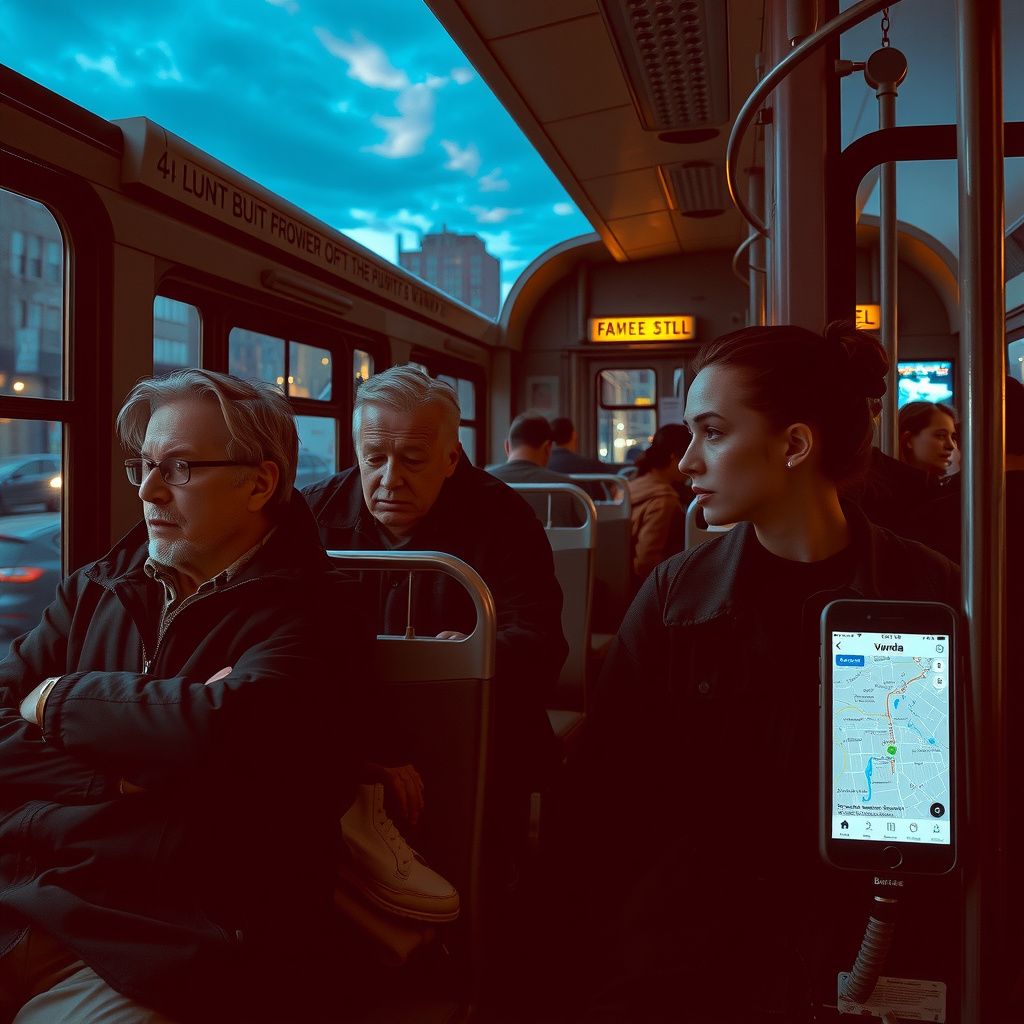
In my dream, I was back in the Bronx (where I grew up). I had a doctor’s appointment, and I think I was either on City Island or needed a ride there. Too late for a bus, too expensive for a cab. I thought my brother Tommy was going to take me there. He often let me down as a younger adult. But dad offered. He was with his wife, Vanda. In real life, dad was an alcoholic. I never felt anything for Vanda. Their marriage appeared hollow and Vanda didn’t have any personality except maybe a boring one. But we wound up taking the bus after all. I was angry and frustrated because after all of that, I was going to be late after all. I called the doctor’s office to keep them updated. I wanted to know if they would take me or tell me to reschedule. They said it was fine. I was watching the map on my smartphone. It seemed I had to get off, but the buss would turn around and get us closer to office. But time was ticking, just to not cross the street. It seemed odd to me. Another odd thing was that dad knew the route, although he always drove and never took the bus. When we go to the doctor’s office, I waited in line to check in. There was a rude girl behind me. She may have been a grownup, but she misbehaved as if she was a child. I tried ignoring her, but it was difficult. The staff behind the counter was kind. Dad and Vanda took a seat. Dad has been dead since 1990 and Vanda died about 10 years ago. I think it was the first or second time I dreamt of dad, and definitely the first time I dreamt of Vanda.
AI generated interpretation Your dream returns you to the Bronx and to a moment of vulnerability — a doctor’s appointment — which immediately sets a tone of practical concern mixed with personal history. Places from childhood often stand in for earlier parts of the self, and the appointment evokes a need for assessment, care, or reconciliation with something that feels important but stressful. The urgency about time and the repeated watchfulness of maps suggests you’re tracking progress in waking life: you want to be seen, you want to be attended to, and you’re anxious about getting there on time emotionally as well as logistically. The transportation choices — too late for a bus, too expensive for a cab, expecting Tommy but relying on Dad — tap into intergenerational dynamics and trust. Your brother’s past unreliability and your father’s unexpected offer point to an inner negotiation about where you seek help. That your father, who in life drove and drank, inexplicably knows the bus route in the dream is striking: it’s as if an aspect of him you thought closed off or inconsistent now offers a different kind of guidance. From a Jungian angle, the father can be an archetype of authority, protection, or judgment; here he may be presenting a new relationship to authority — one that is oddly practical and present even though the real person was flawed and absent in certain ways. Vanda’s presence — and your note that you “never felt anything” for her — is also important. As a figure you perceived as hollow in waking life, she might represent emotional detachment, the neutralizing of feeling, or an aspect of your own life that seemed colorless and unresponsive. Meeting her in the dream for the first time could mean you’re encountering a part of your interior landscape you hadn’t allowed yourself to notice before: a quieter, perhaps resigned element that accompanies the paternal presence. Freudian and contemporary views would both see these deceased figures as internalized influences — complex mixtures of care, disappointment, protection, and numbness — that surface when you face situations that demand your attention and resilience. The waiting room scene rounds out the emotional texture. The rude girl behind you reads like an irritant — perhaps a childish or immature voice in your mind, or someone in your life who pushes boundaries and provokes annoyance when you’re already vulnerable. The kindness of the staff, by contrast, shows that help and warmth are available even if other interpersonal dynamics are fraught. Overall, the dream weaves themes of late-arrival anxiety, testing who you can count on, and the slow, sometimes awkward work of integrating parental legacies. Practically, it might be inviting you to notice where you still feel beholden to old patterns of disappointment, and where you’re surprisingly able to accept help or reroute your plans without losing your center.