 Dream Journal Ultimate
Date: 7/2/2026
By Evan
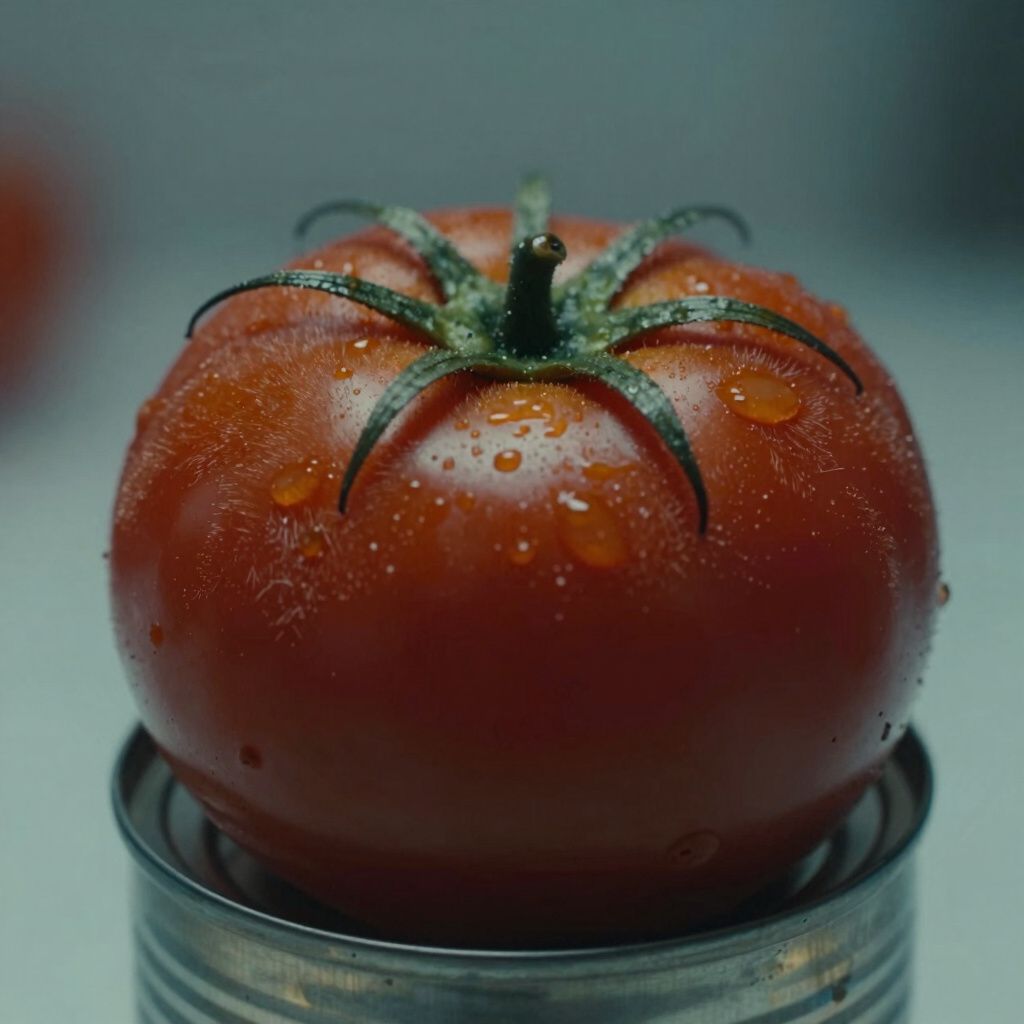
The rest of the dream is fuzzy and I don't remember it, but I remember a tomato that was canned and hairy. I pulled it out of the can and noticed it looked gross. For some reason, I took a bite of it. The tomato didn't taste very good (shocking). I can't remember if I ate it all or threw it out.
AI generated interpretation The image that lingers — a canned tomato that is hairy and gross, which you nonetheless bite into — compresses a lot of feeling into a small, uncanny scene. Food in dreams often stands for nourishment in the broadest sense: physical sustenance but also emotional, moral, or creative fuel. The fact that the tomato has been preserved in a can suggests something that was put away for safekeeping or deferred: a memory, a relationship, a belief, or a part of yourself that you expected to be stable and usable. The hair and the spoiled look introduce a visceral reaction of disgust and surprise; something you expected to be wholesome has become alien and off-putting, and that emotional jolt is the organizing tone of the dream. From a Jungian point of view the tomato can carry archetypal resonances: red fruit evokes the life force, passion, the heart of things. Canning is an act of containment — an attempt to keep something safe and unchanged — while hair is an archaic, bodily symbol that can indicate what has been repressed or is emerging from a place usually hidden. The mixture of preservation and decay points to a tension between holding on and having to confront change. Freudian ideas about oral symbolism fit here as well: biting and taking something in relates to how you accept and internalize experiences. The fact that you bite despite the obvious warning signal suggests curiosity or compulsion to test an old comfort even after cues that it may no longer serve you. Contemporary dream theory would emphasize the continuity between dreaming and waking life: this scene is likely the mind’s way of simulating an experience of encountering previously trustworthy material that now feels contaminated. The uncertainty about whether you finished the tomato or threw it out is important — it leaves the narrative unresolved, mirroring waking ambivalence. That fuzzy remainder of the dream points to unfinished processing. The act of tasting something that tastes bad could be a rehearsal of deciding whether to keep engaging with a situation (a job, a friendship, a habit, an idea) that once nourished you but now triggers revulsion or doubt. Emotionally, the dream circles themes of disgust, curiosity, and unease, layered with ambivalence about choice and boundaries. If you want to follow the thread in waking life, you might ask: what have I preserved or promised myself I could rely on that now feels off? Where have I been compelled to test or re-engage with something despite warning signs? A gentle way to explore further would be to jot down associations with the can (where did it come from?), the hair (what does it make you think of?), and the bite (what part of you goes looking at the thing that repels you?). Those small inquiries can help turn the dream’s unsettling image into a source of insight rather than just a gross surprise.